
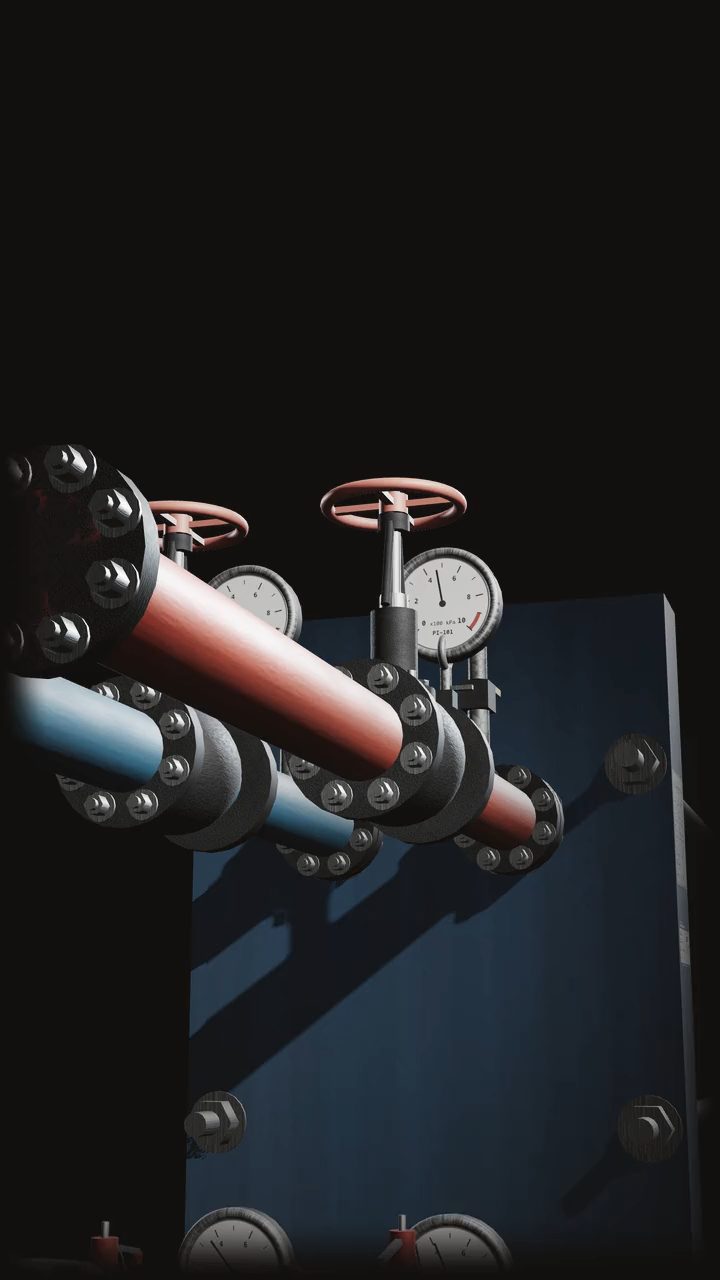
Every ticket is earned twice: once on the plant floor and once on paper. First Class Operator puts both in front of you, with equipment you can operate in 3D and exams marked the way the real ones are.
- 123D simulators
- 400practice questions
- 40open textbooks
- 5th–1stcertificate classes
01Simulators
Operate the equipment. Watch it respond.
Walk down, start up and shut down real plant equipment in 3D. Every valve you move changes the numbers, so you learn the sequence and the reason behind it.
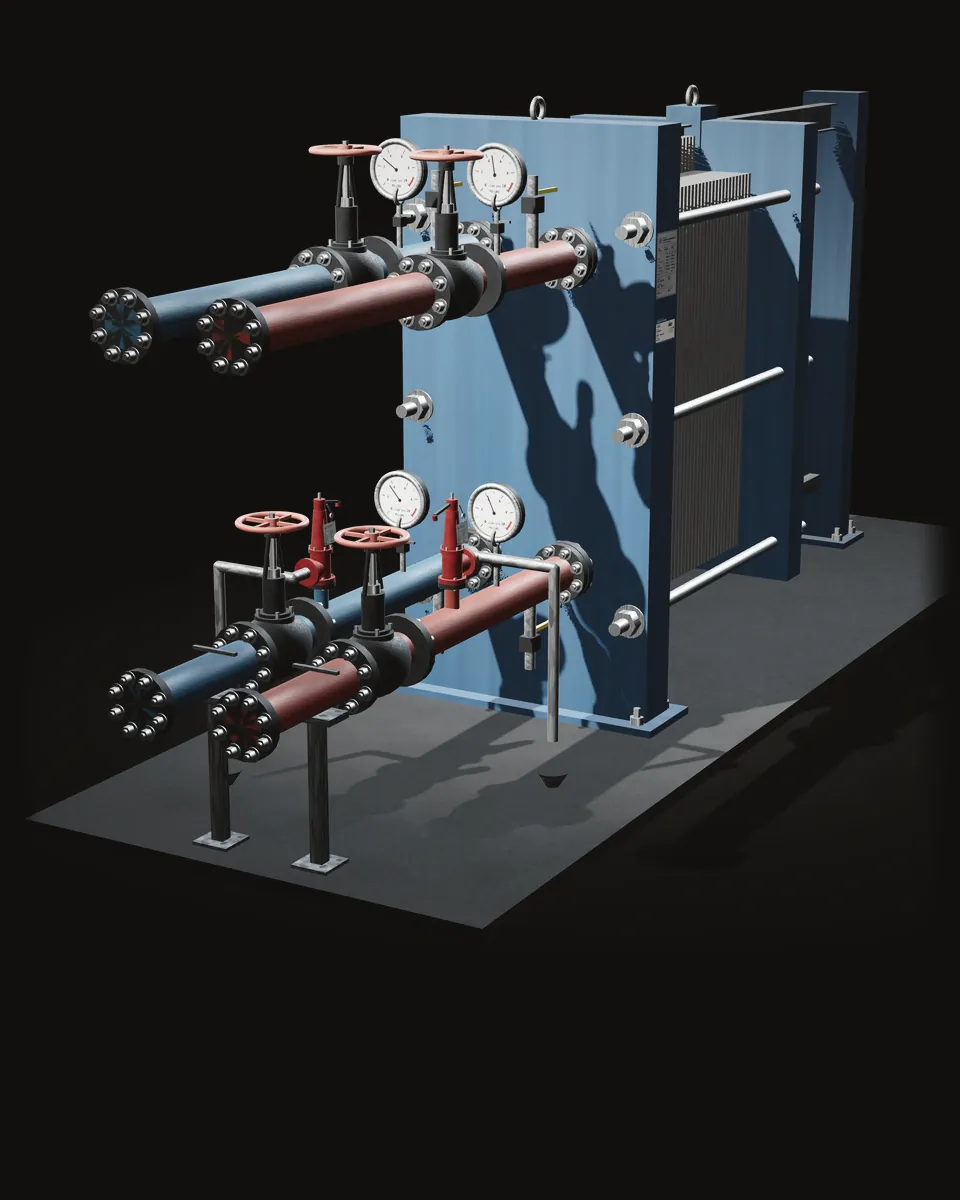
Heat exchangers
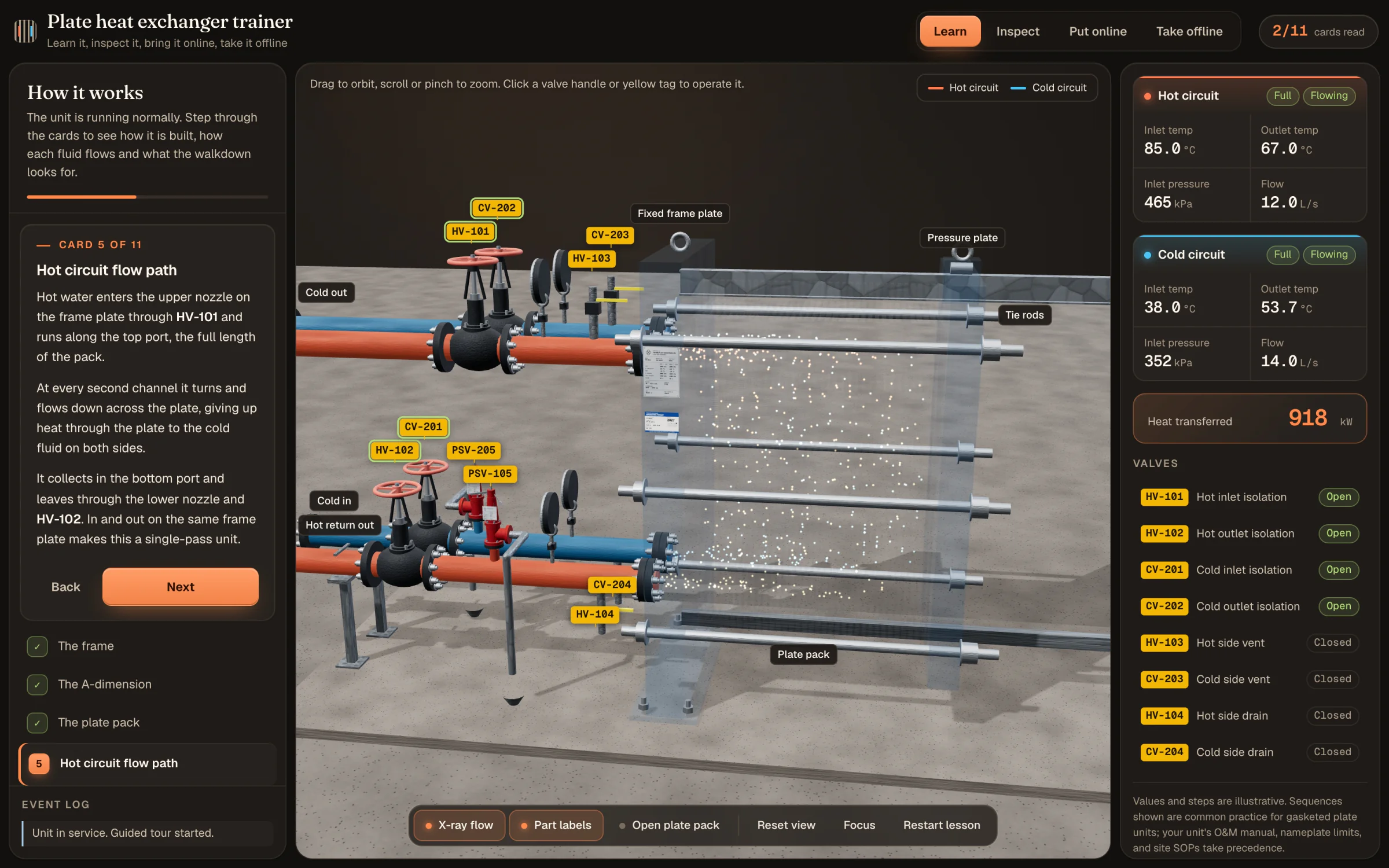
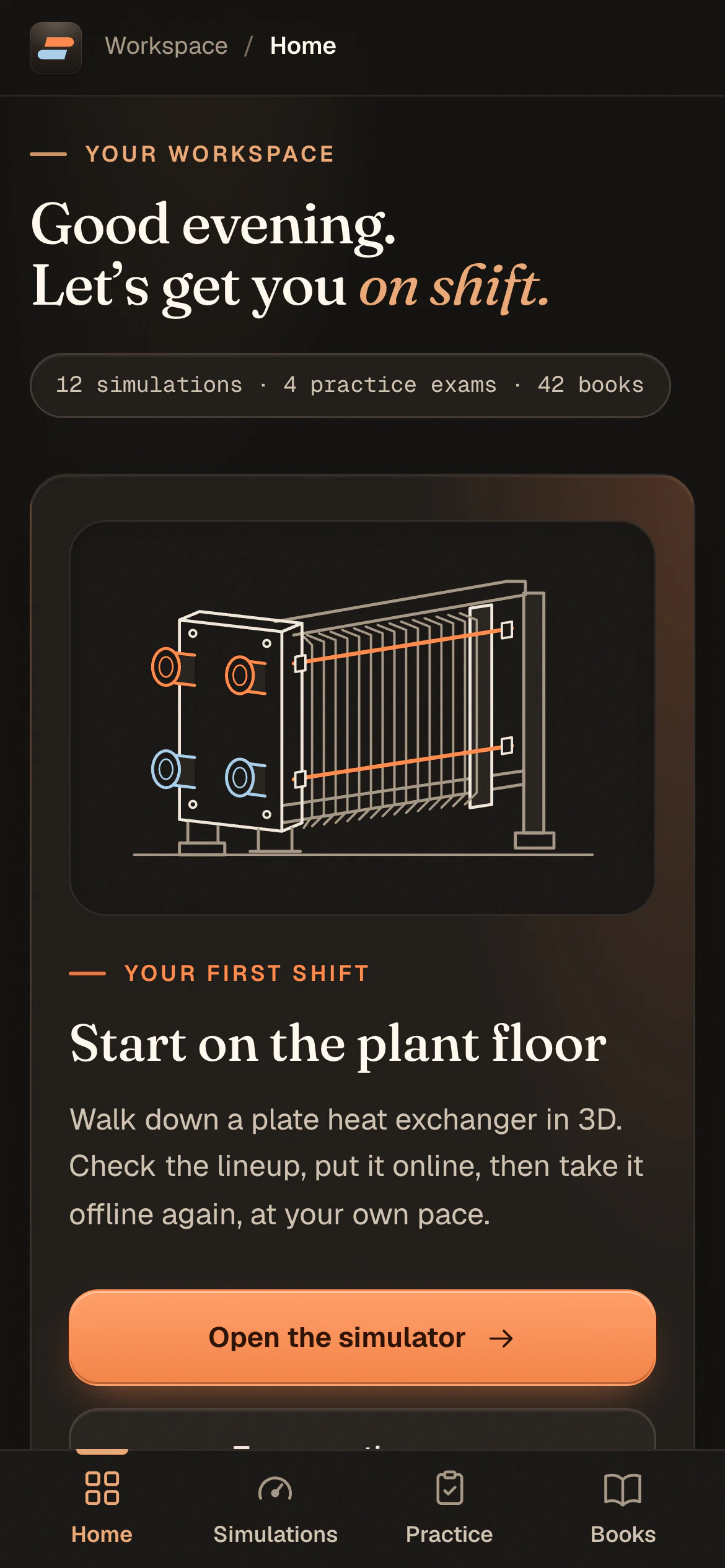
Plate and Frame
Walk down · Put online · Take offline
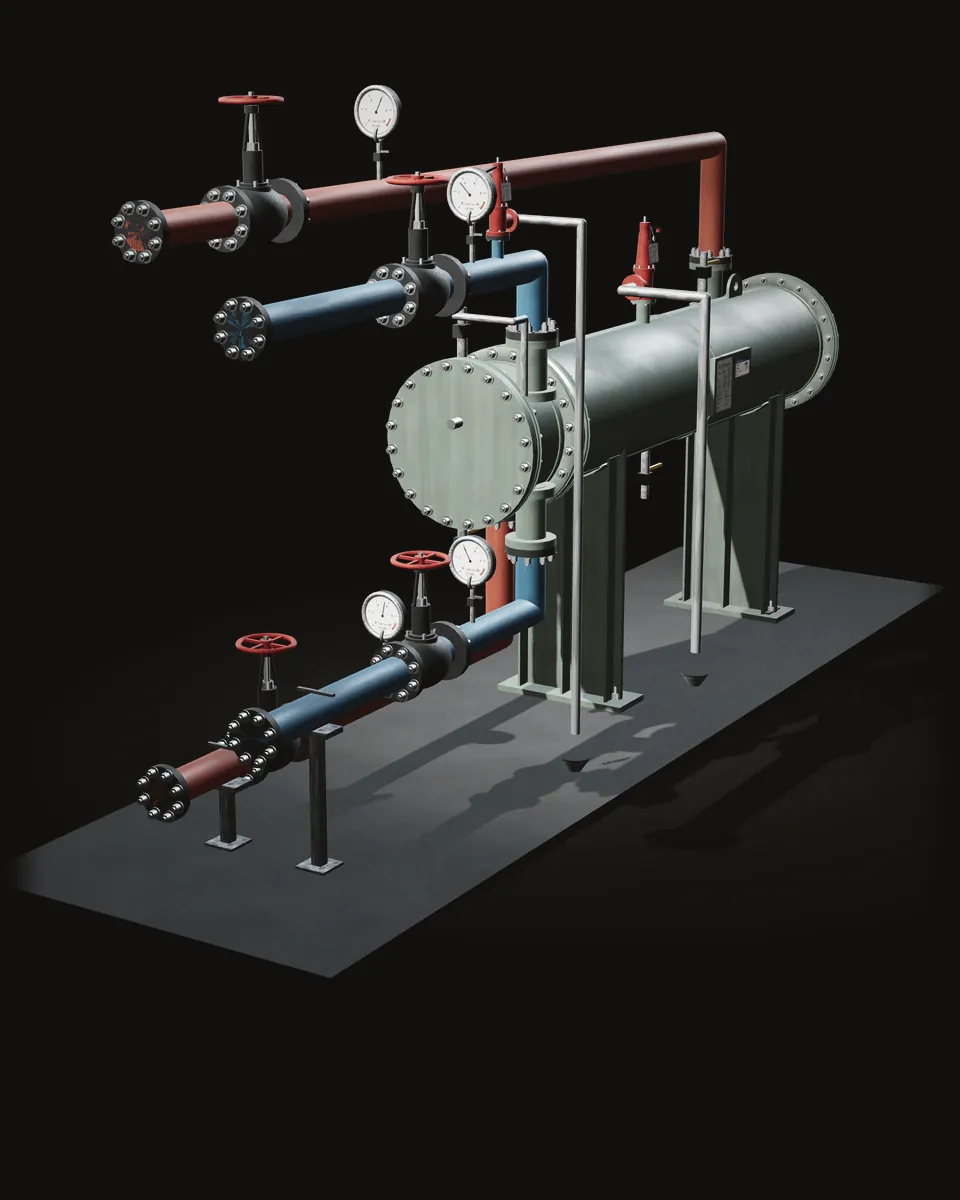
Heat exchangers
Shell and Tube
Walk down · Put online · Take offline
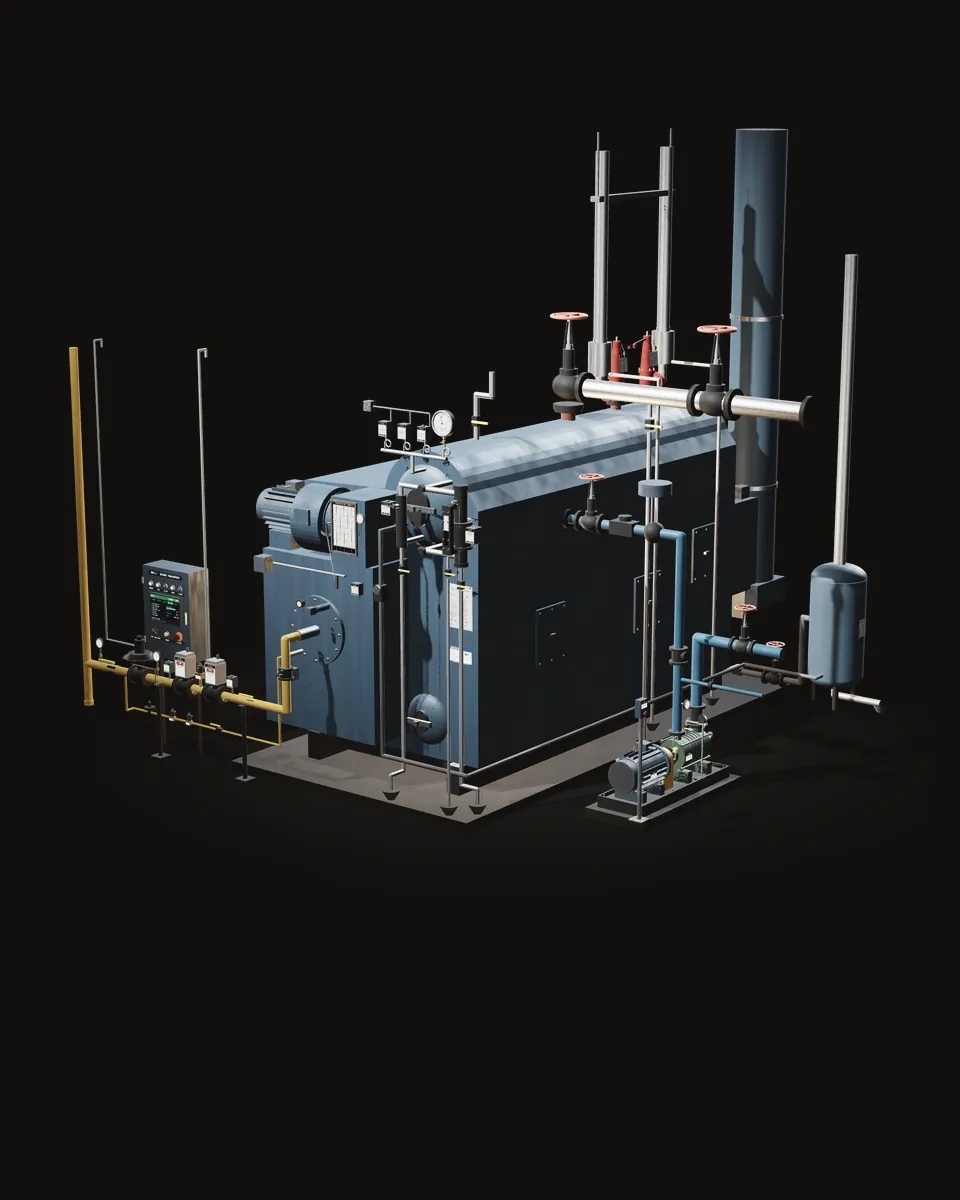
Boilers
Watertube Steam Boiler
Walk down · Start up · Cut in · Shut down
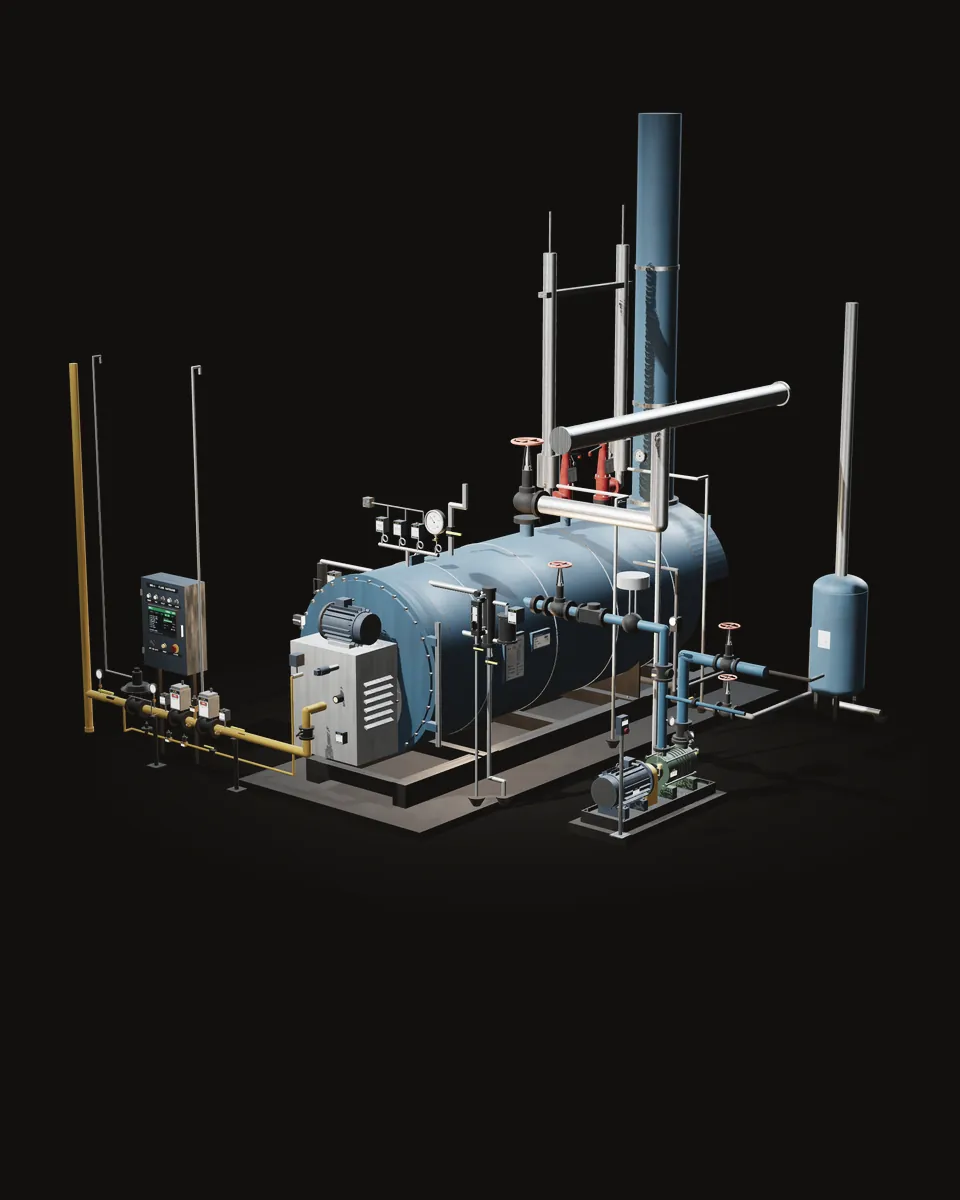
Boilers
Firetube Steam Boiler
Walk down · Fire up · Cut in · Shut down
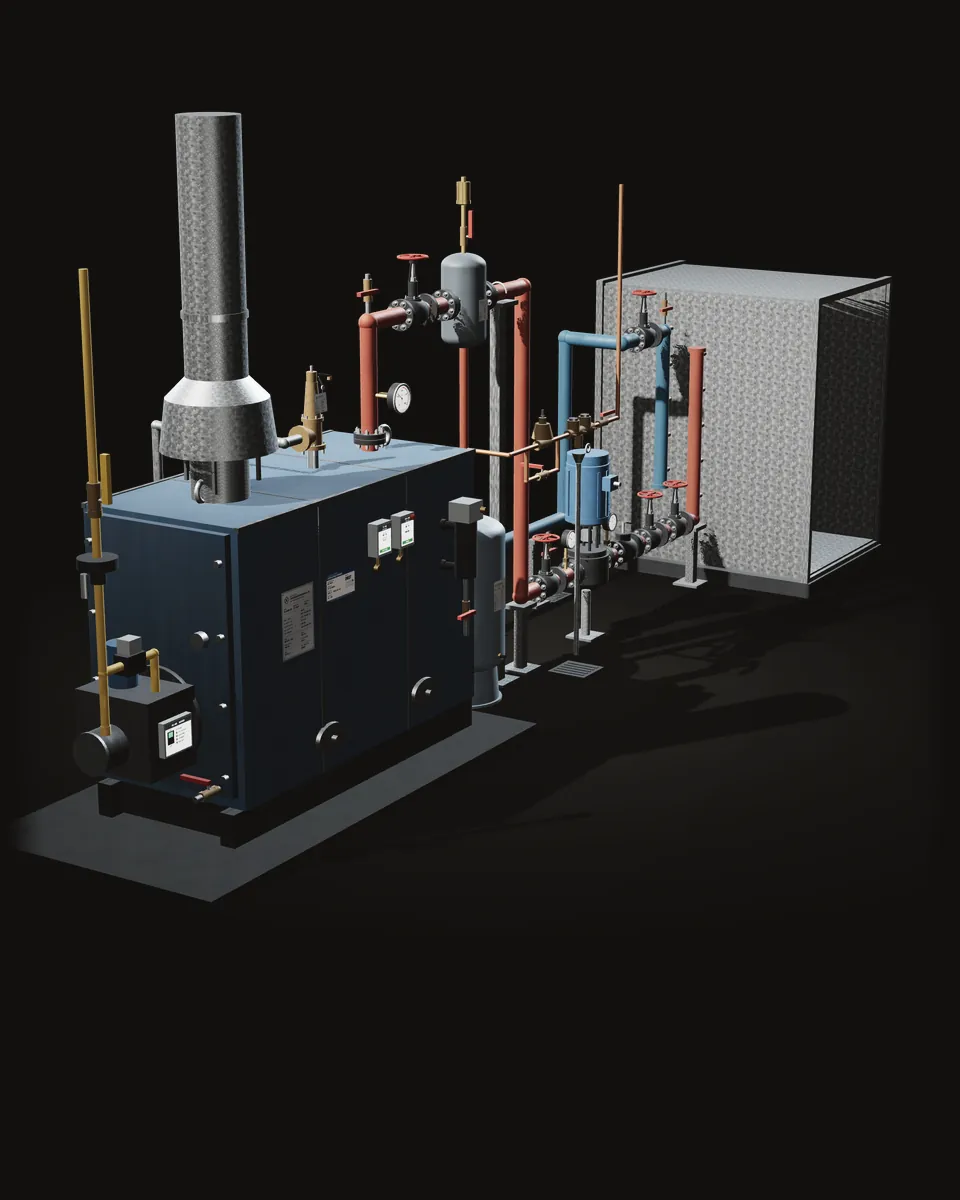
Boilers
Hot Water Heating Boiler
Walk down · Fill · Fire · Shut down
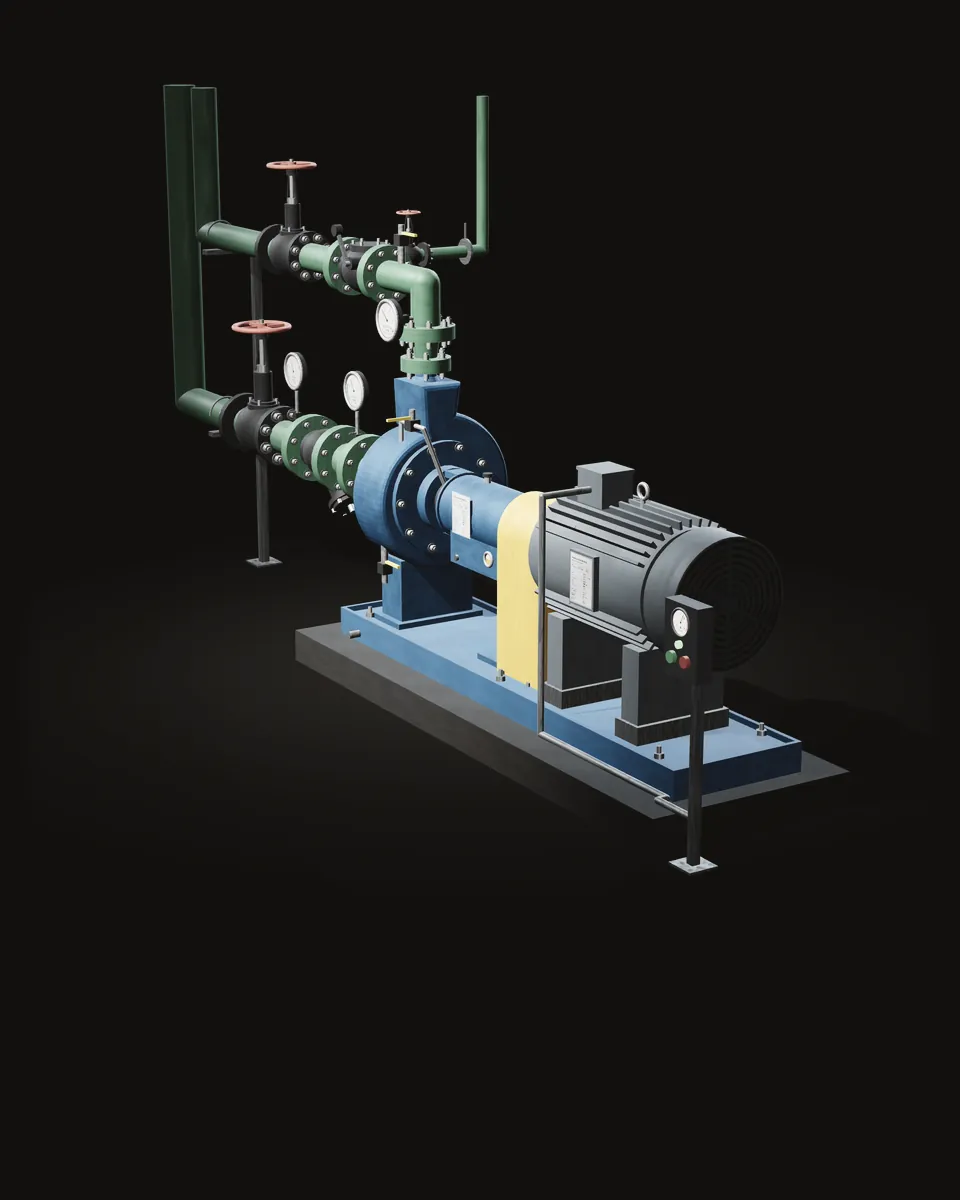
Pumps
Centrifugal Pump
Walk down · Prime · Start · Isolate
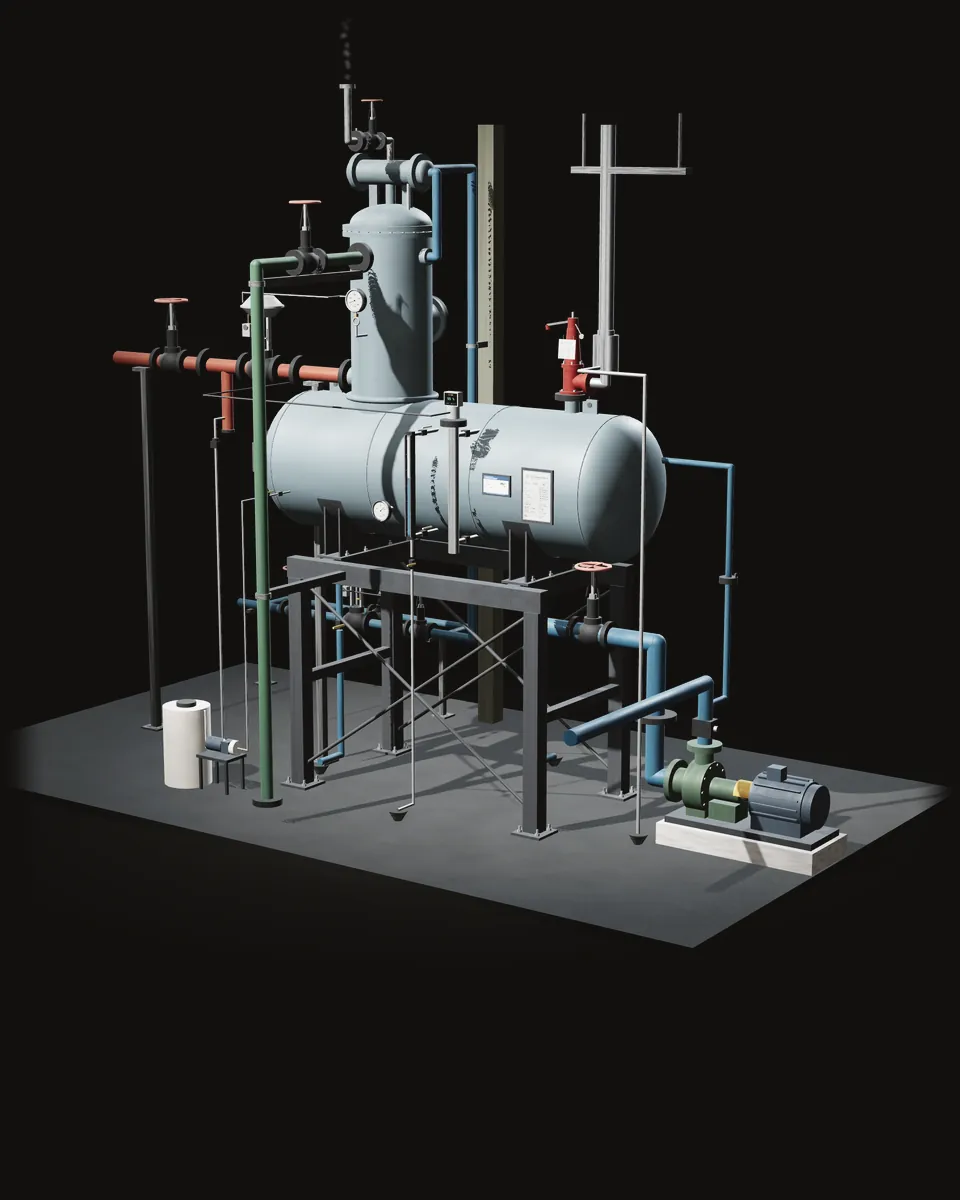
Feedwater
Tray Type Deaerator
Walk down · Put online · Take offline
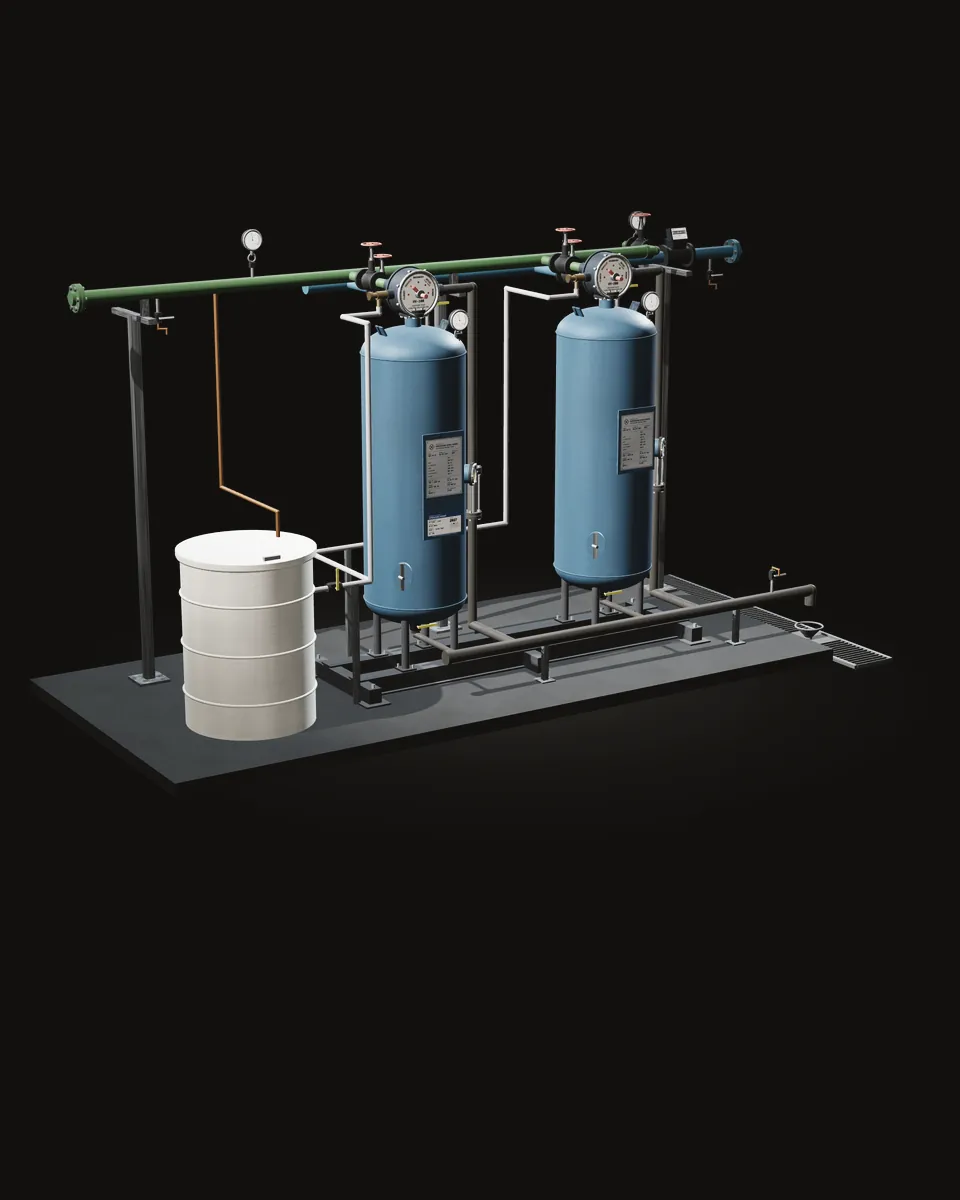
Feedwater
Water Softener
Walk down · In service · Regenerate
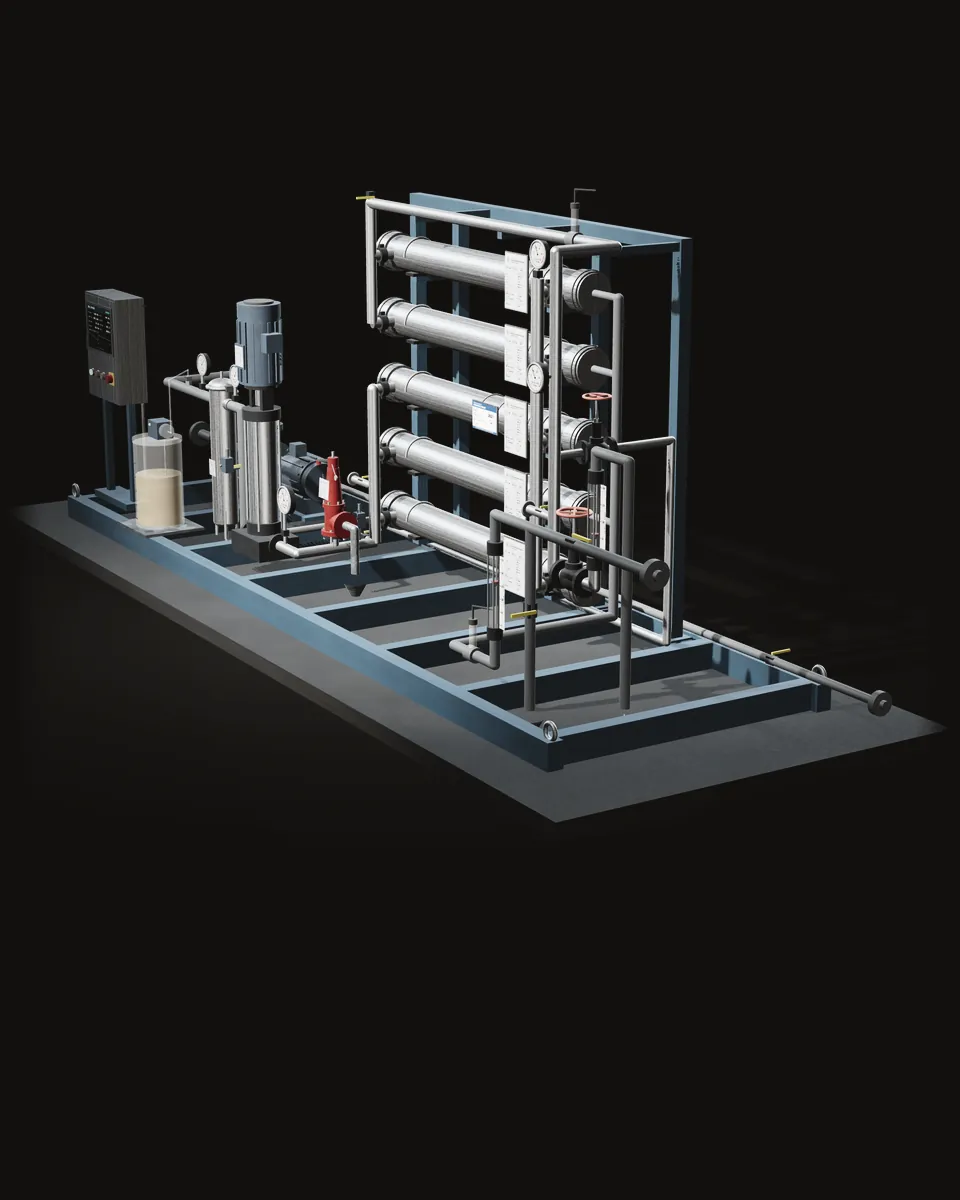
Feedwater
Reverse Osmosis
Walk down · Start up · Shut down
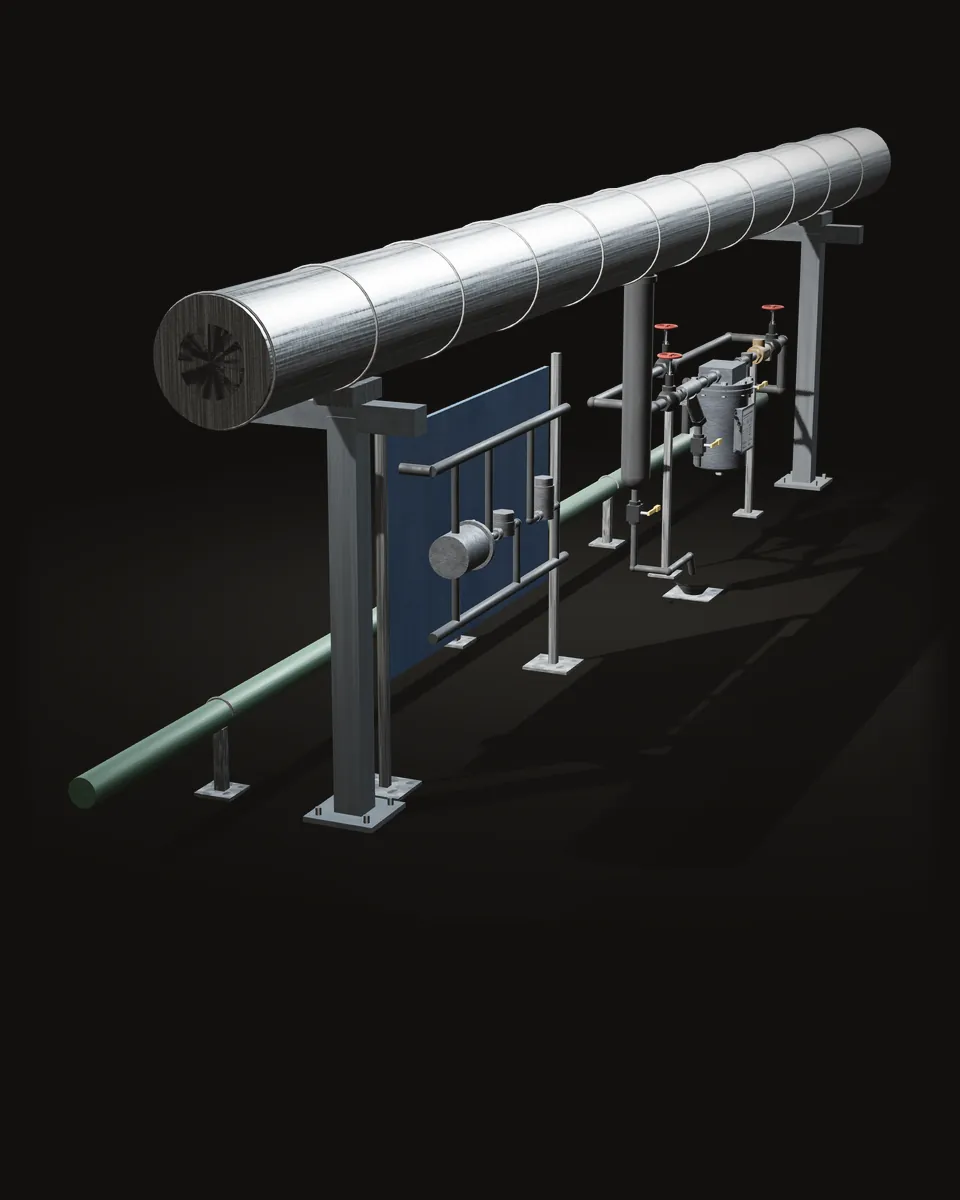
Valves and traps
Steam Trap Station
Walk down · In service · Isolate
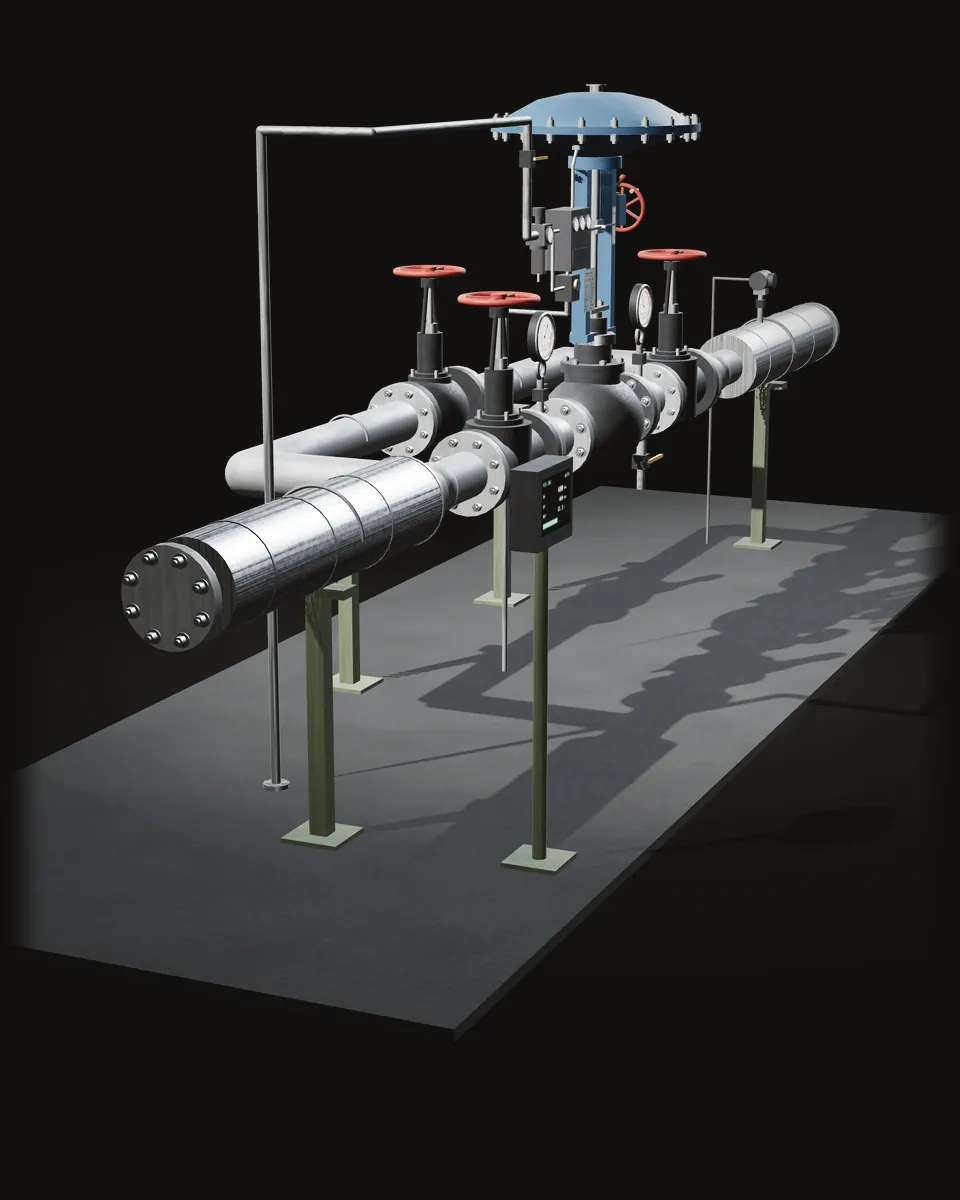
Valves and traps
Pneumatic Control Valve
Walk down · Stroke · In service
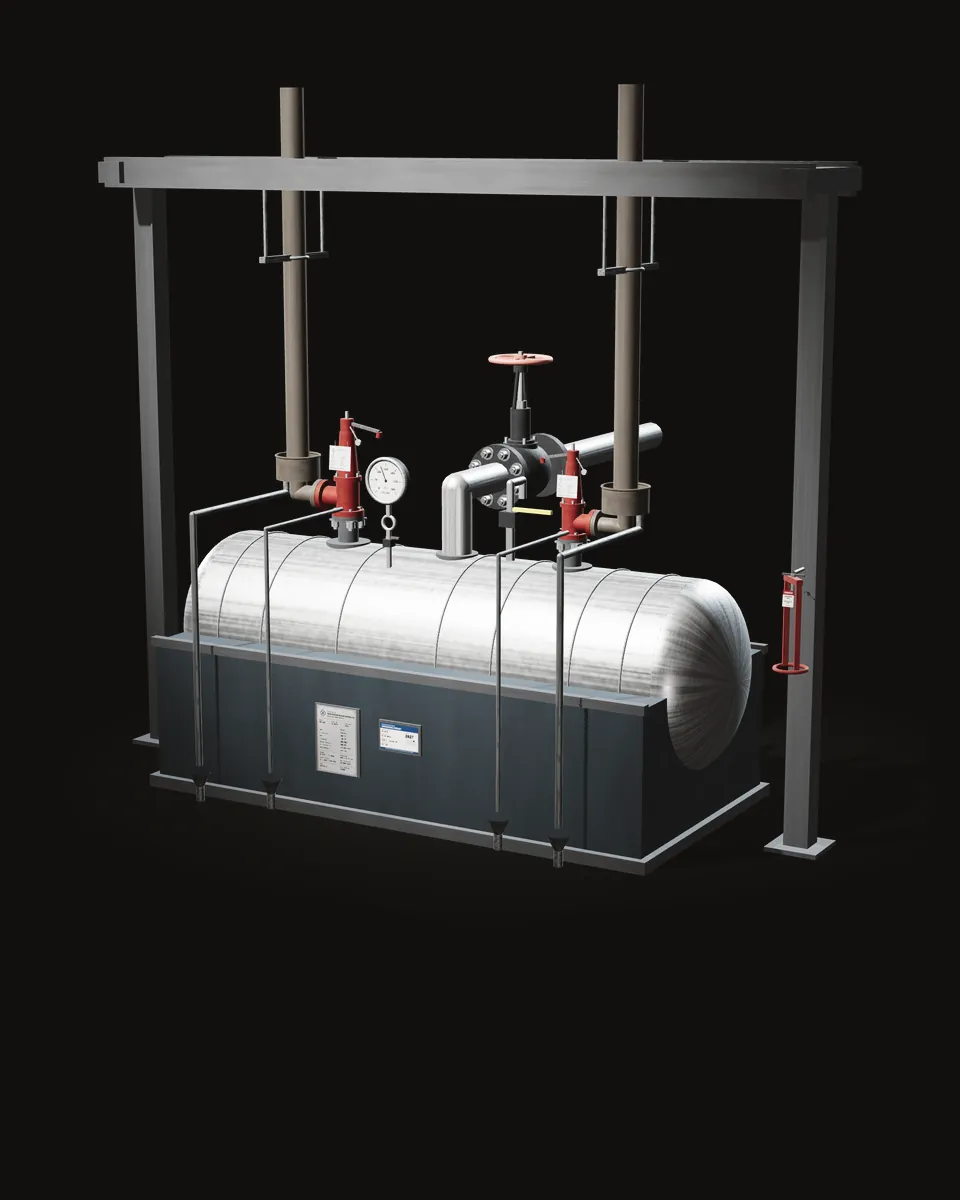
Valves and traps
Spring Loaded Safety Valve
Walk down · Test · Return to service
Guided first. Then it’s your shift.
Guided cards show how the unit is built and how each fluid flows. Then inspect it, and bring it online and take it offline yourself, with the lesson on the left, live readings on the right and the plant in the middle.
- Learn
- Inspect
- Put online
- Take offline
Code-correct, down to the nameplate.
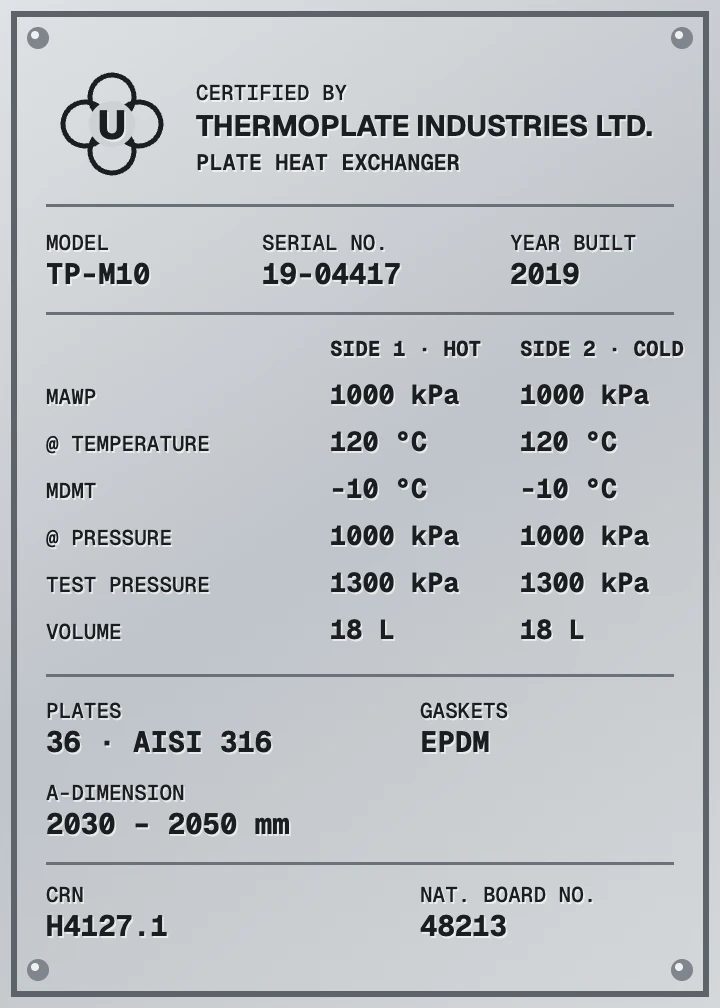
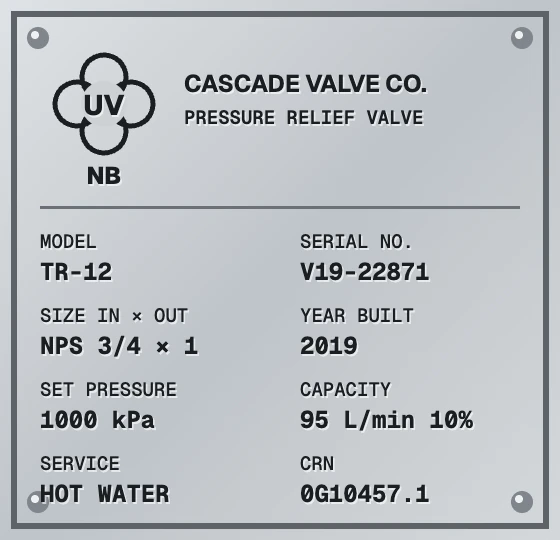
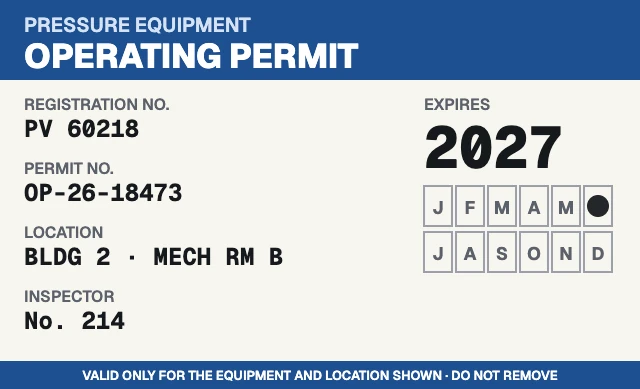
Every vessel carries the nameplate its code requires, every relief valve its own tag, and every registered vessel its operating permit: the details you’ll be asked to read on the floor and in the exam.
- ASME VIII-1 · CSA B51
- MAWP and MDMT for each chamber, test pressure, CRN and National Board number
- ASME XIII
- Relief valve tags with set pressure, rated capacity and service
- Operating permit
- Registration and permit numbers, inspector and expiry
02Practice
Sit the exam before the exam.
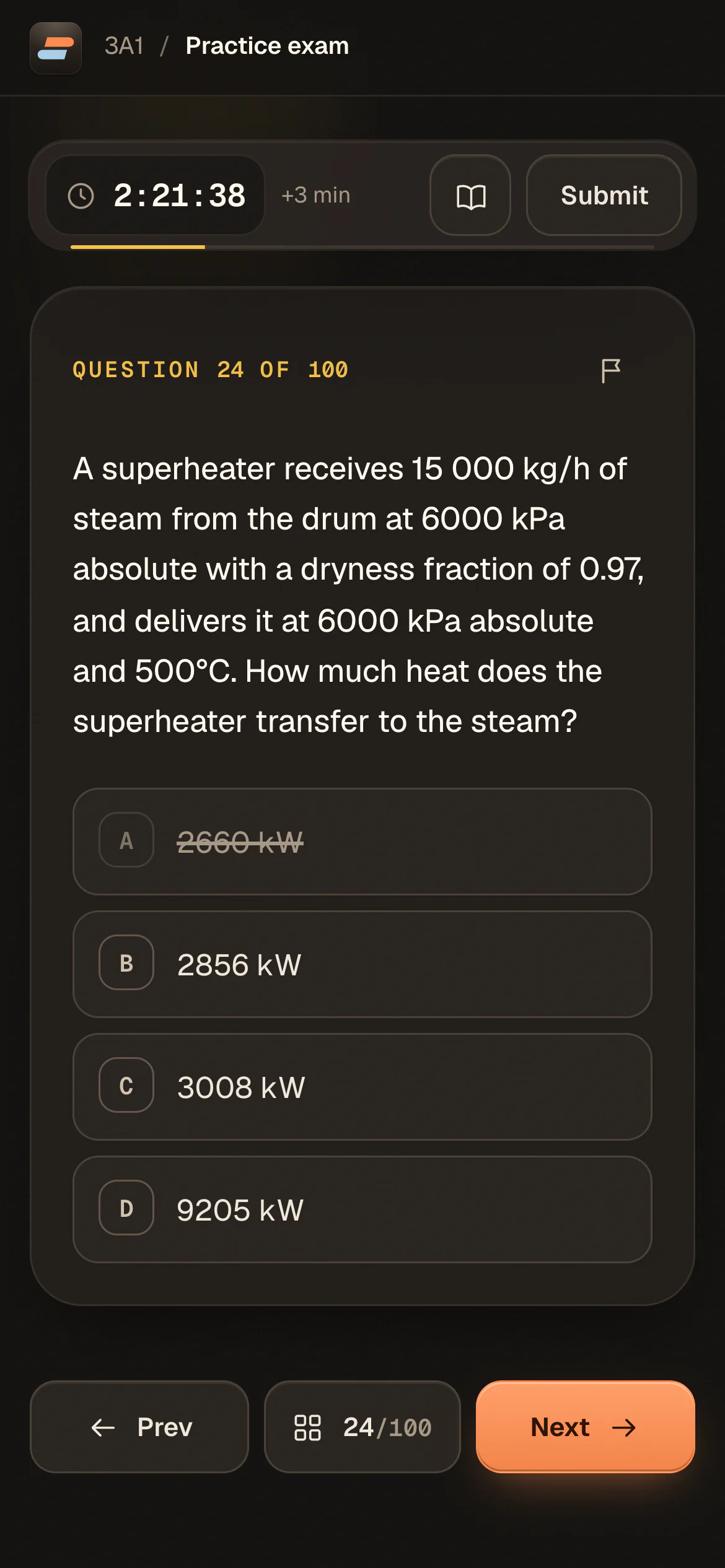
Original papers in the SOPEEC format: 100 questions, three hours, marked against the pass mark. Strike out choices, flag questions and keep pace with the guide.
- 1
Rule out
Strike through the choices you can eliminate, the way you would on paper.
- 2
Commit
Answer against the clock, with a pace guide that tells you whether you’re ahead.
- 3
Learn from it
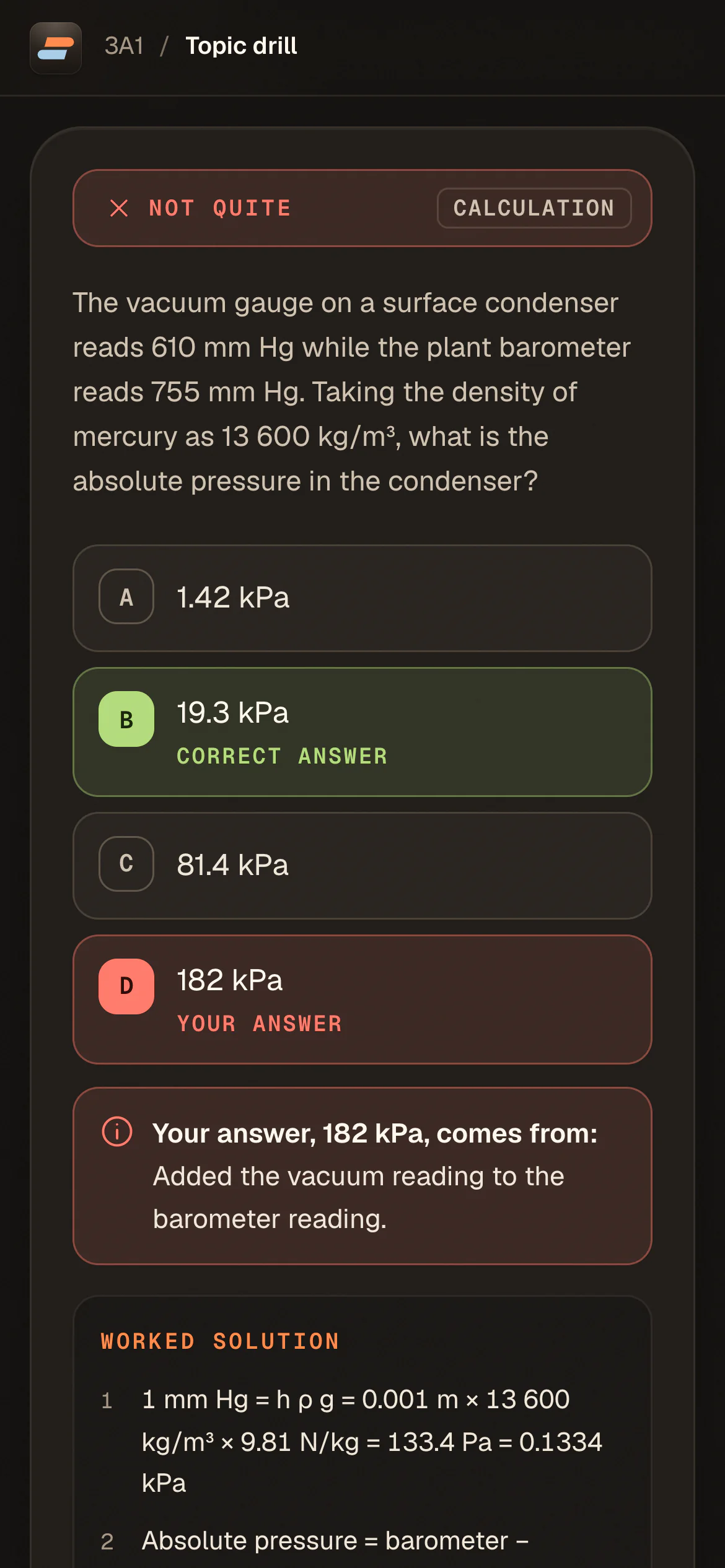
A wrong answer names the mistake behind it, and the working is laid out step by step.
Practice exam
Timed, shuffled and marked, with history for every attempt.
Flashcards
Answer first. Exam misses come back for another look.
Topic drill
Sets of ten for one section, or calculations only.
Reference
The formula booklet and steam tables beside every question.
03Reference
Formula booklet and steam tables. Built in.
Bring a calculator; the booklet and IAPWS-IF97 steam tables open beside every question. Go to a value and the table finds the row, or the two rows to interpolate between. The interpolating stays with you, as it does in the exam.
Enthalpy of wet steam
h = hf + q · hfg
1213.73 + 0.97 × 1570.83 = 2737.44 kJ/kg
04Library
From 5th Class to First.
40+ open textbooks, shelved by certificate class. Open any of them in a click, from the first boiler you fire to the codes you’ll sign off on.
5thClass
- Low Pressure Boiler Components and Operation
- Elements of Human Comfort in Facility Operation
4thClass
- Introduction to Boiler Designs
- Elements of Boiler Systems
- Introduction to Plant and Fire Safety
3rdClass
- Power Engineering, Parts A1 and A2
- Power Engineering, Parts B1 and B2
2ndClass
- Thermodynamics and Metallurgy
- Boilers and Water Treatment
- Prime Movers
1stClass
- Legislation and Codes for Industrial Equipment
- Inspection, Maintenance, and Repair Practices
05Anywhere
On shift, on the bus, at the desk.
It runs in the browser on your phone, tablet or computer. Nothing to install and nothing to carry: a question set fits in a coffee break.
The tour
The whole plant in a minute.
Who is it for?
Canadian power engineers and students working toward a SOPEEC certificate. The simulators and the library span 5th to 1st Class; the practice papers currently cover Third Class, Parts A and B.
What does it cost?
Nothing while it’s in beta. Create an account and everything is open to you.
Are these real exam questions?
No. Every question is original, written to the SOPEEC syllabus and format. First Class Operator is an independent study tool, not affiliated with SOPEEC or any provincial regulator. Questions that depend on one province’s legislation are tagged with that province.
Do I need to install anything?
No. It runs in any current browser on a phone, tablet or computer, simulators included.
Where do the books come from?
They are open textbooks published by BCIT. The library sorts them by certificate class and opens each one from BCIT’s open learning repository.